Our Programs
Combine general mastery of a discipline of your choice with critical language and cultural skills, all while learning from Columbia’s renowned faculty.
This interdisciplinary program provides a broad social science-based approach to modern and contemporary Latin America and the Caribbean.
ILAS offers a certificate program to graduate students who complete an interdisciplinary program in conjunction with their own departmental degrees.
ILAS hosts visiting faculty and scholars through a variety of funded and unfunded opportunities, including an open call for Visiting Scholars.
Upcoming Events
Cuba-US Working Together Again: Lessons from Environmental Cooperation
Decolonization, Neocolonialism and Human Rights: Decolonizing Modernity
News
Jobs, Internships, Volunteer Opportunities
This digest of job, internship, and volunteer opportunities is published weekly; each post is live for four weeks.
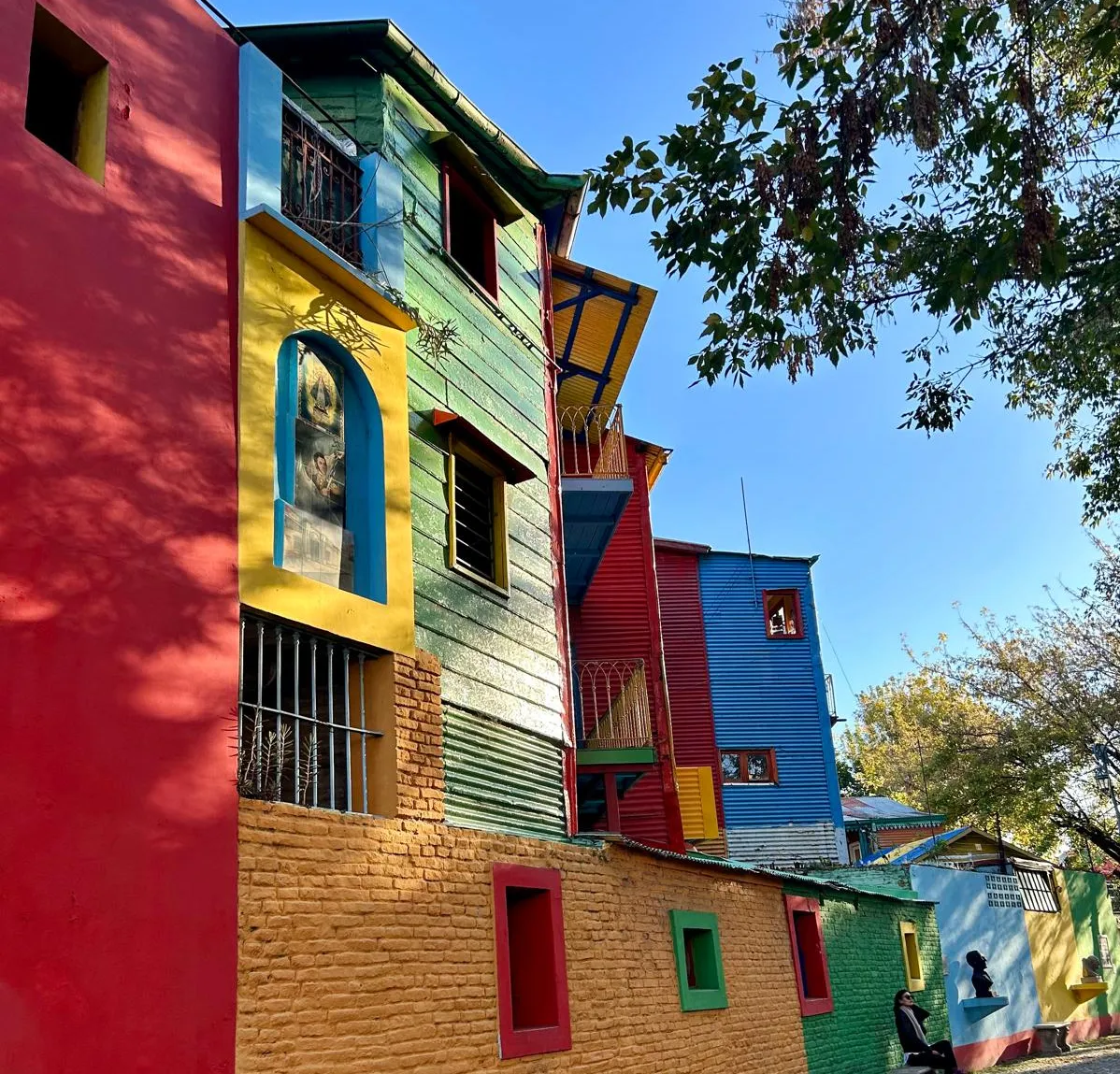
Argentina Makes History
Featured Videos
This interdisciplinary reading group is a colloquium among peers, and dedicated but not limited to terms of intersectional discrimination, inequality, Human Rights, and colonial history. The discussions will have a special focus on Latin America, and be centered around key concepts such as Postcolonialism, Neocolonialism, Abolitionism and Decolonization.
This session is titled Decolonization of the Latin American Literary Canon. It will focus on René Depestre's Buenos días y adiós a la negritud (1985) and Jerome Branche's Malungaje (2009). We will have Prof. Dr. Claudia Hammerschmidt and Juan Felipe Castro Maldonado (Universidad de Jena).
The Erosion of Political Responsiveness & the Stretching of Populism: Latin America in Comparative Perspective. This workshop will seek to investigate the linkage between popular discontent, polarization, and the emerging of ‘populist’ options that stretch across very different political offers. The legacy of ‘populist’ historical experiences in Latin America and its implications for socio-cultural and economic inclusion of subordinate sectors including in terms of art and urbanization is crucial to understand contemporary political and societal expectations. The tensions between the experience recognize as ‘populist’ in the region with many aspects of liberal democracy is also important to understand what its implications as the concept are is stretched to include very different policies in other regions of the world and even in Latin America.
This workshop will seek to investigate the linkage between popular discontent, polarization, and the emerging of ‘populist’ options that stretch across very different political offers. The legacy of ‘populist’ historical experiences in Latin America and its implications for socio-cultural and economic inclusion of subordinate sectors including in terms of art and urbanization is crucial to understand contemporary political and societal expectations. The tensions between the experience recognize as ‘populist’ in the region with many aspects of liberal democracy is also important to understand what its implications as the concept are is stretched to include very different policies in other regions of the world and even in Latin America.
This is the First Session of the Workshop.